









The ABCDs of Fall Protection: Understanding the Importance of a Rescue Plan in Refractory and Industrial Construction
In the refractory and industrial construction sectors, ensuring the safety of workers during elevated tasks is paramount. This includes not just the implementation of personal fall arrest systems (PFAS), but also a comprehensive rescue plan to manage potential accidents effectively. Suspension trauma can have life-threatening consequences, emphasizing the need for a well-thought-out response strategy.
For contractors and plant engineers, understanding the ABCDs of fall protection is crucial. This framework consists of:
- A: Anchor points must be secure and capable of supporting the required load.
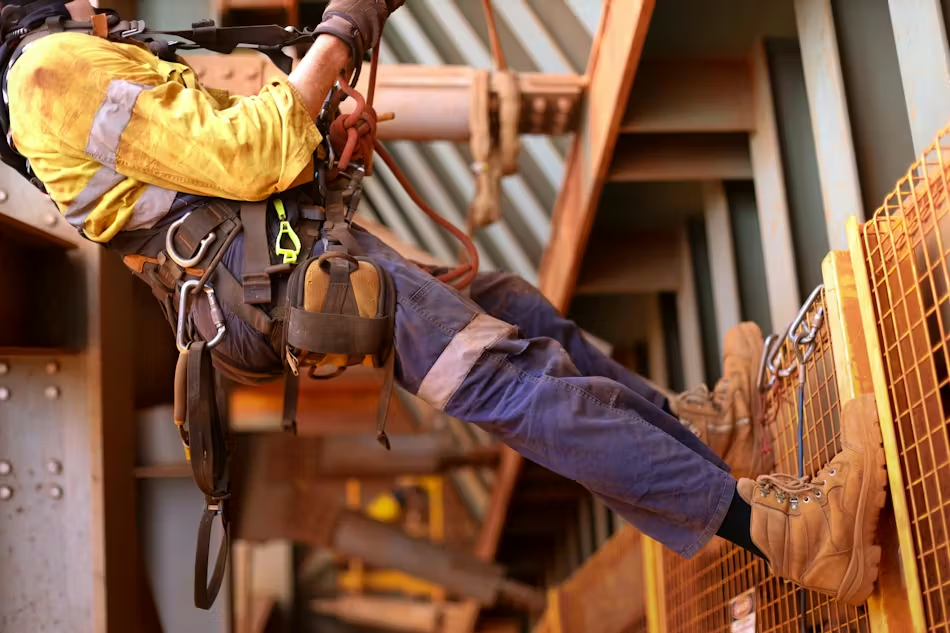
- B: Body support is necessary through properly fitted harnesses that can distribute forces evenly during a fall.
- C: Connection to the anchor points via lanyards or lifelines is essential for fall prevention.
- D: Descent and rescue planning should be part of the overall safety protocol to minimize risks associated with suspension trauma.
Contractors and plant engineers should take the following points into consideration:
- This framework aids in developing a more comprehensive safety plan that addresses both prevention and recovery.
- Employers must ensure that all personnel understand the fall protection systems in place, including rescue practices.
- Regular training and drills are essential to familiarize workers with rescue plans and equipment operation.
Incorporating a robust rescue plan alongside fall arrest measures can significantly improve worker safety, reducing the risk of serious injuries or fatalities in the workplace.
Source: The ABCDs of Fall Protection: Why a Rescue Plan is as Crucial as the Arrest