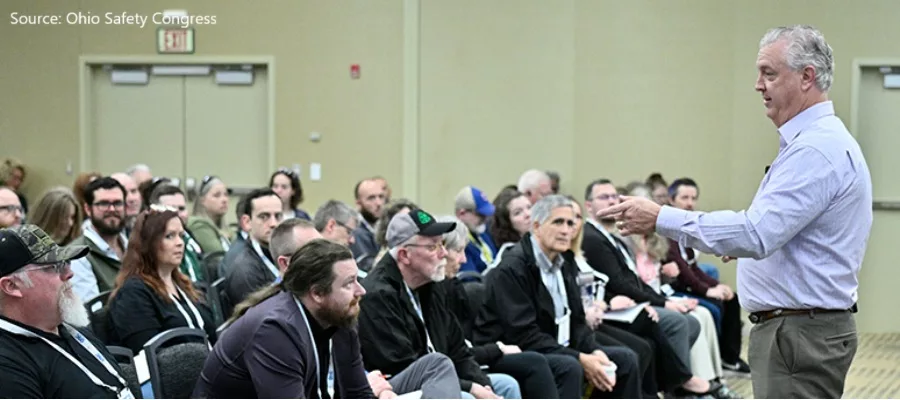
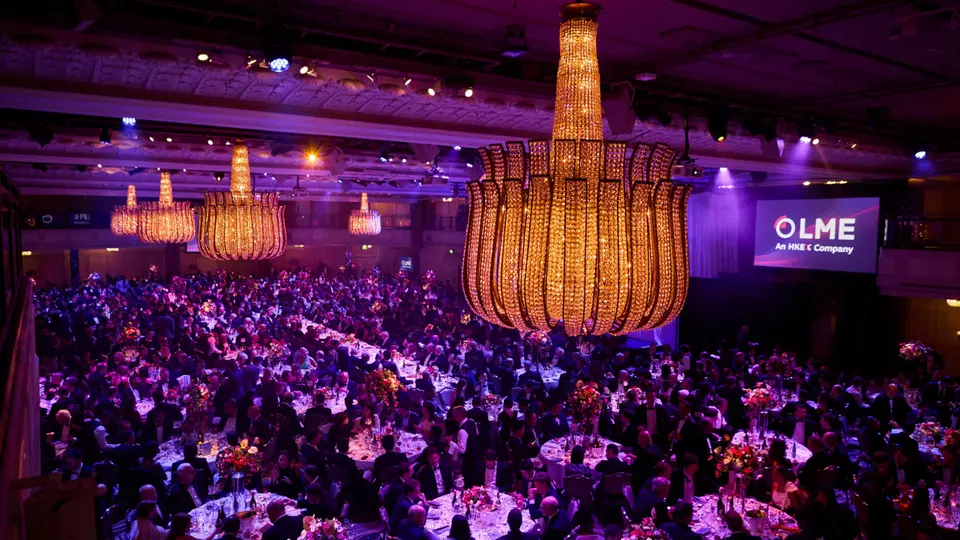


Paul Voss, Director General of European Aluminium, welcomed over 250 participants to the inaugural European Aluminium Summit held at Skyhall, Brussels Airport, Belgium. This pivotal event engaged stakeholders from the entire aluminium value chain, addressing critical issues the industry faces today, including global market disruptions, EU policy impacts, soaring energy costs, and the green transition.
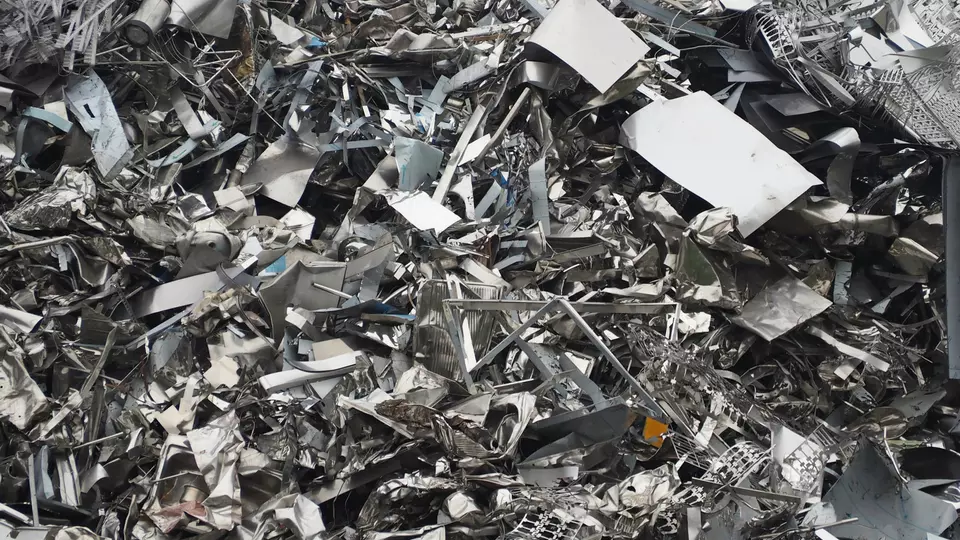
Among the notable discussions, Voss introduced Maroš Šefčovič, the Commissioner for Trade and Economic Security, who emphasized aluminium scrap’s significance for sustainability and decarbonization. He unveiled plans for a new policy instrument aimed at ensuring Europe maintains adequate access to scrap, while also advocating for broadening free trade agreements that safeguard the European aluminium sector.
Additionally, Voss mentioned a new trade measure to limit aluminium scrap exports, reflecting growing concerns about resource sustainability.
In a keynote presentation, Jesus Villegas from Harbor Aluminum shared insights on the evolving aluminium demand, highlighting a surge in aluminium scrap exports, particularly from primary sources. The competitive landscape has shifted, placing pressures on secondary producers who must now vie with primary aluminium manufacturers.
- Contractors should be prepared for potential regulatory changes impacting scrap sourcing and management.
- Adapting business strategies in response to market volatility will be crucial for maintaining competitiveness.
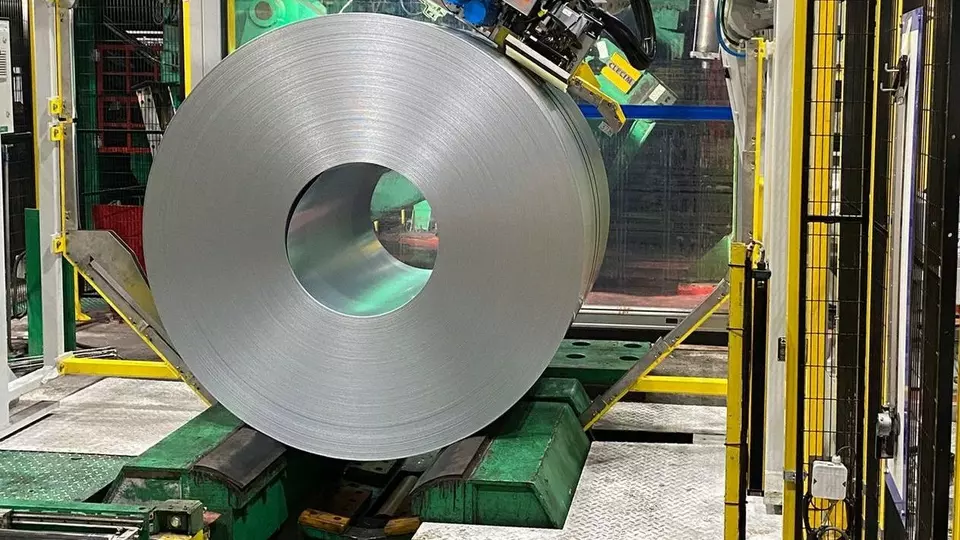
- Opportunities are emerging in low-carbon production methods, which may require investment in new technologies.
Torbjörn Sternsjö, CEO of Arctial, outlined plans for a new €3 billion low-carbon smelter intended to produce 600,000 tons of primary aluminium annually. This initiative, pending a final investment decision by 2027, aims to enhance Europe’s decarbonization efforts.
The summit’s second session revolved around the Green Deal and the Clean Industrial Deal, emphasizing industrial resilience as a key to future competitiveness. The ensuing panel discussions underscored the intricate relationships between sustainability, supply chain strategies, and international trade relations.
Technological advancements in blockchain were highlighted as tools for improving supply chain traceability. Although there are challenges regarding data reliability and value chain complexity, these innovations hold promise for improving transparency and accountability.
Collin McKerracher, from BloombergNEF, discussed the rising demand for aluminium, especially within the automotive industry, noting the shift towards electric vehicles has repositioned the global market dynamics.
The summit concluded on an optimistic note, with Paul Voss acknowledging the multitude of perspectives shared throughout the event, suggesting a promising future for the aluminium industry despite ongoing challenges.
Source: https://www.aluminium-journal.com/european-aluminium-summit-highlights-industry-challenges