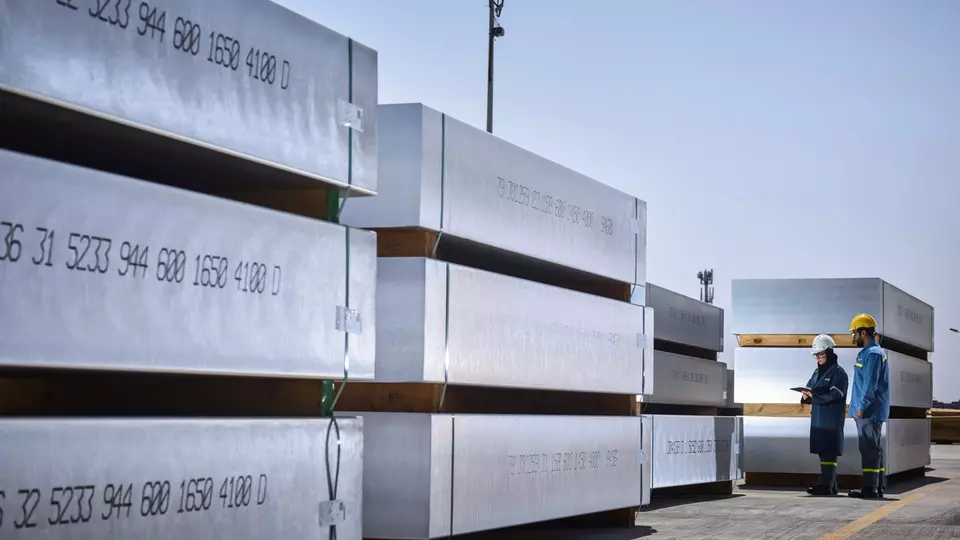
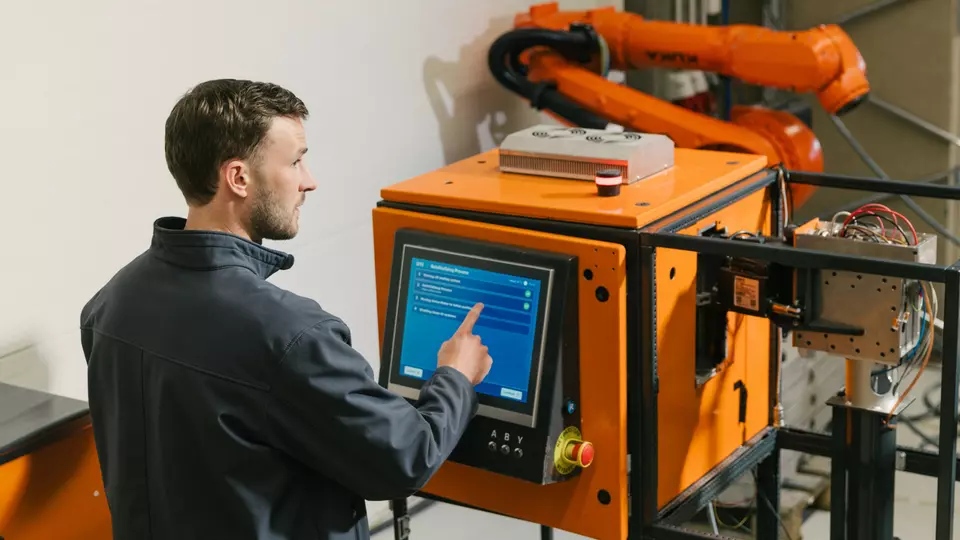
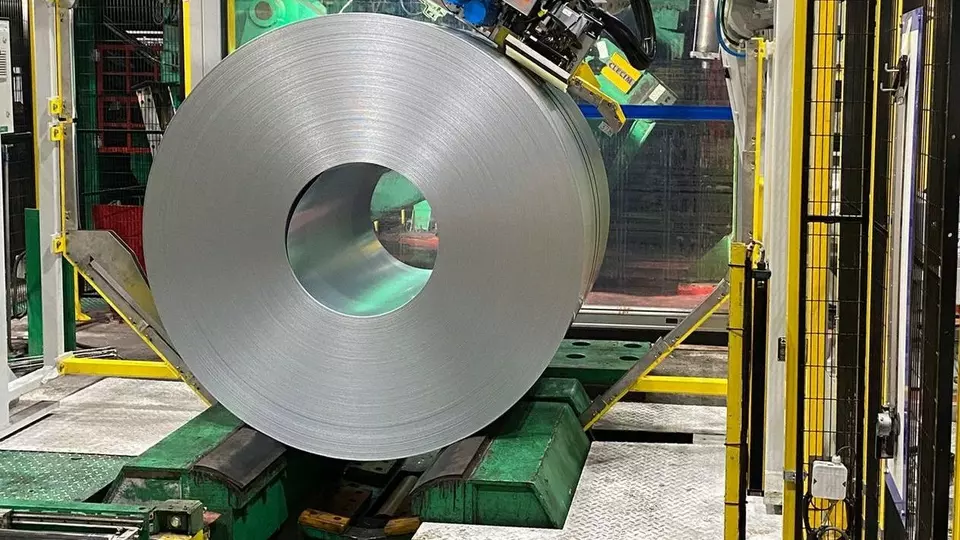



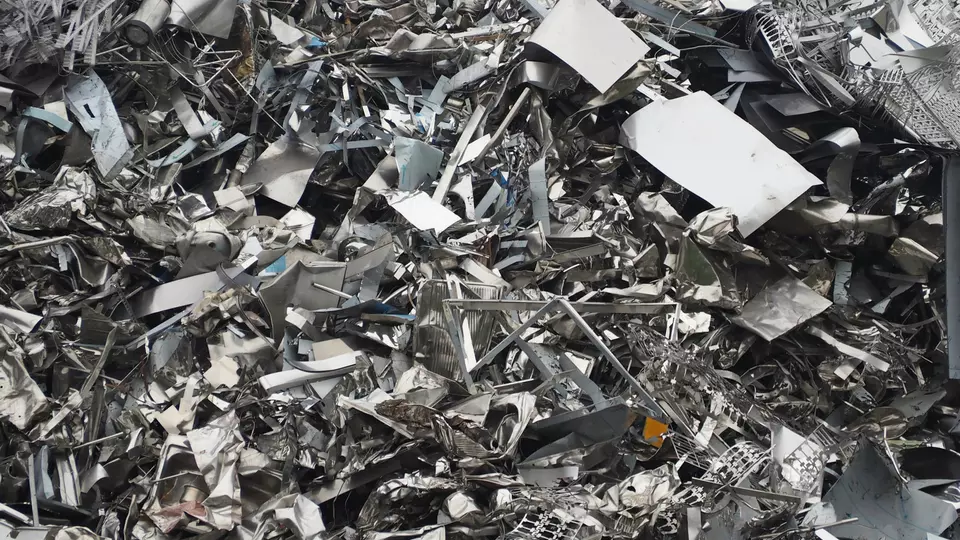
Rusal has developed a groundbreaking technology that enables the reprocessing of aluminium scrap into high-quality metal through the process of electrolysis. This innovative approach allows the aluminium producer to recycle contaminated off-grade scrap, characterized by impurities such as iron and copper, into a metal with an exceptionally low carbon footprint.
A critical focus for the aluminium industry is the reprocessing of contaminated scrap. Traditional methods utilizing melting furnaces often result in down cycling, where the recycled material is converted into low-grade alloys, limiting their usefulness in various applications.
Rusal’s novel technology aims to overcome this challenge by establishing a comprehensive closed-loop system for metal reprocessing. The company asserts that their technology not only maintains the quality of the recycled product but also enables the utilization of reprocessed aluminium in high-tech sectors such as automotive, aerospace, and food packaging.
This patented process involves the electrochemical reprocessing of off-grade scrap, producing aluminum of purity exceeding 99.7%, comparable to primary aluminium grade P1020 – A7 under Russian classification.
Key implications for contractors and plant engineers include:
- Increased Purity: The process achieves a metal purity greater than 99.7%, expanding the scope for using recycled aluminium in high-value applications.
- Reduced Energy Consumption: The new technology consumes about 9 MWh of energy per tonne of aluminium produced from scrap, significantly lower than conventional methods.
- Lower Carbon Footprint: This process contributes to sustainability goals, aiming for less than one tonne of greenhouse gas emissions per tonne of aluminium produced.
Rusal claims that its specially designed electrolysis pot ensures efficient processing of scrap at lower costs, while maintaining high energy efficiency. Field tests confirmed the technology’s effectiveness, with prototype pots operating stably for cycles of 40–45 days.
In pursuing a complete reprocessing cycle, Rusal’s technology is tailored for the treatment of post-consumer scrap, leveraging renewable energy sources to achieve a minimal environmental impact. In contrast, the global aluminium industry currently faces an average carbon footprint of 14.8 tonnes of CO2 per tonne of produced metal.
For further information, please refer to the original source of this article.
Source: https://www.aluminium-journal.com/circular-aluminium-reprocessing-scrap-with-electrolysis